Why Your .NET API Is Slow: 7 Proven Fixes
Discover why your .NET API is slow and learn 7 proven optimization techniques. Fix performance bottlenecks with async patterns, caching, and profiling strategies.
Discover why your .NET API is slow and learn 7 proven optimization techniques. Fix performance bottlenecks with async patterns, caching, and profiling strategies.
Discover 50 common C# performance mistakes that slow down APIs and learn practical optimization techniques for high-performance .NET backend services.
Discover how developers can benefit from AI in real-world workflows—from code generation to debugging, DevOps, and testing. Practical tools, examples, and tips to work smarter with AI.
Learn how to write high-performance C# code with real-world optimization tips, benchmarking techniques, and best practices for memory, strings, collections, and async/await. Boost your app’s speed and efficiency with expert C# performance strategies.
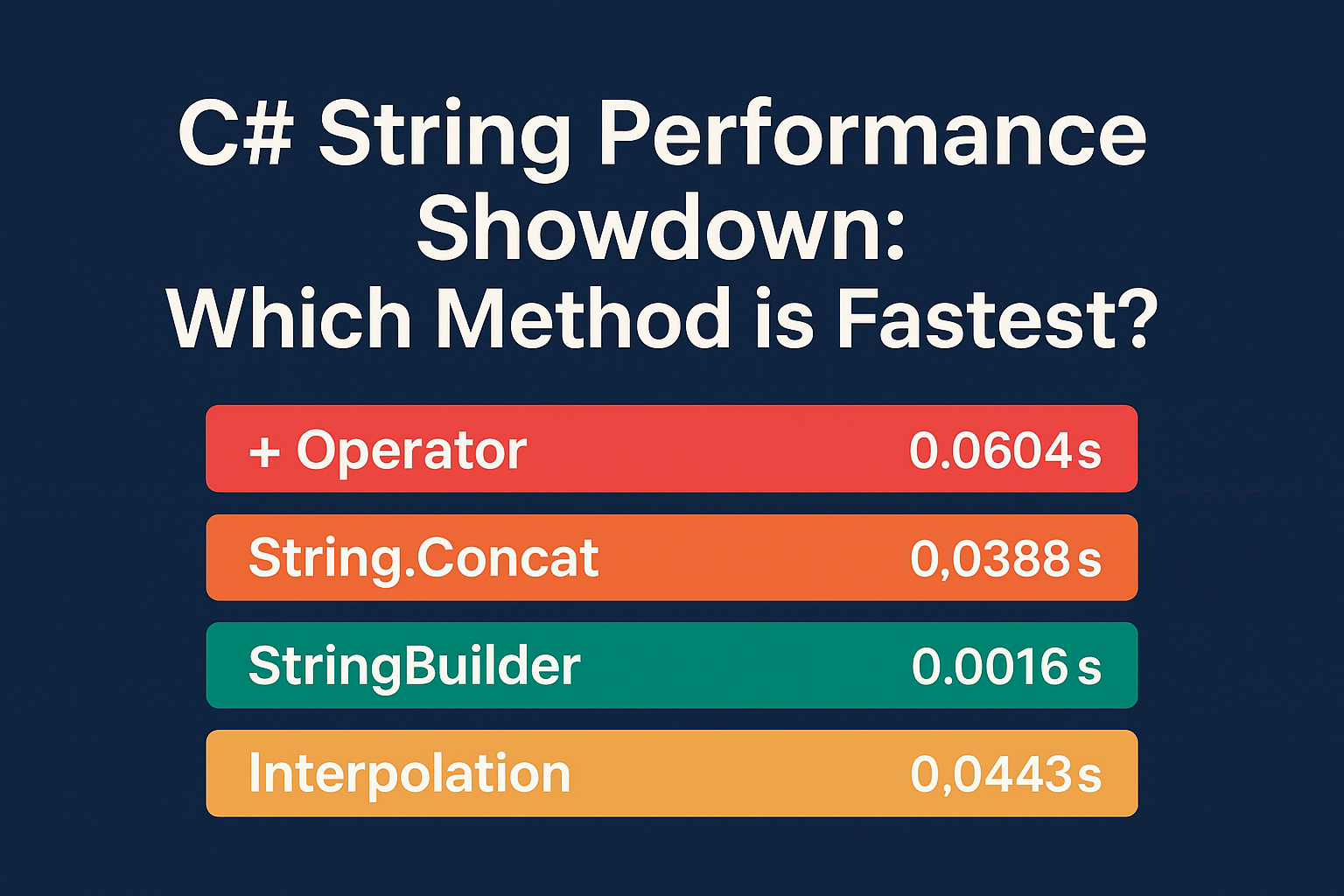
Introduction Working with strings is an everyday task in C#, but not all approaches are crea
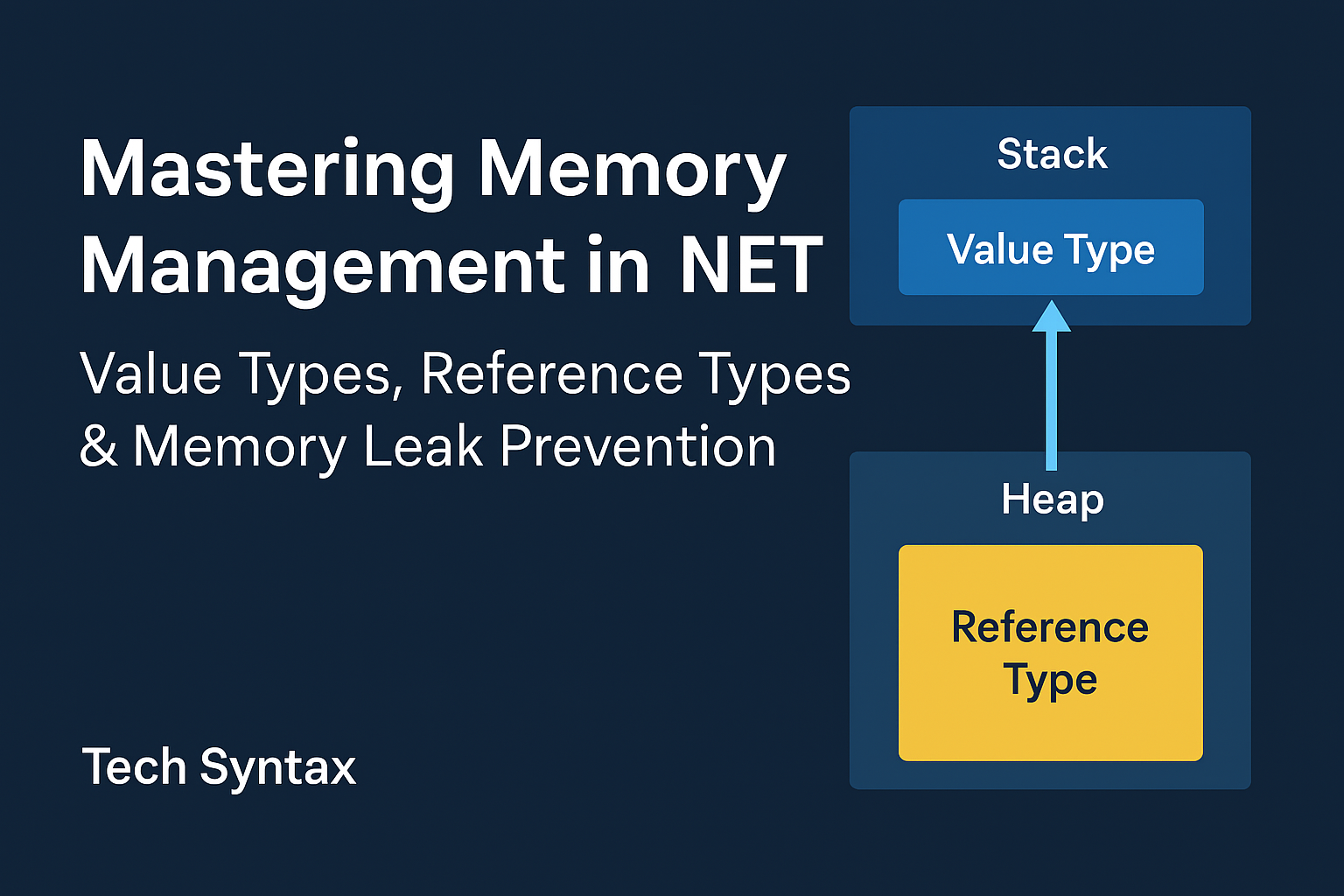
Learn how memory management works in .NET, including value vs reference types, stack vs heap allocation, garbage collection, and common causes of memory leaks. Essential for writing efficient, production-ready C# code.
Constructors are often overlooked when we talk about object-oriented programming, but understanding how they interact — especially across base and derived classes — is critical. Here's a short but powerful challenge that explores constructor chaining and inheritance in C#.
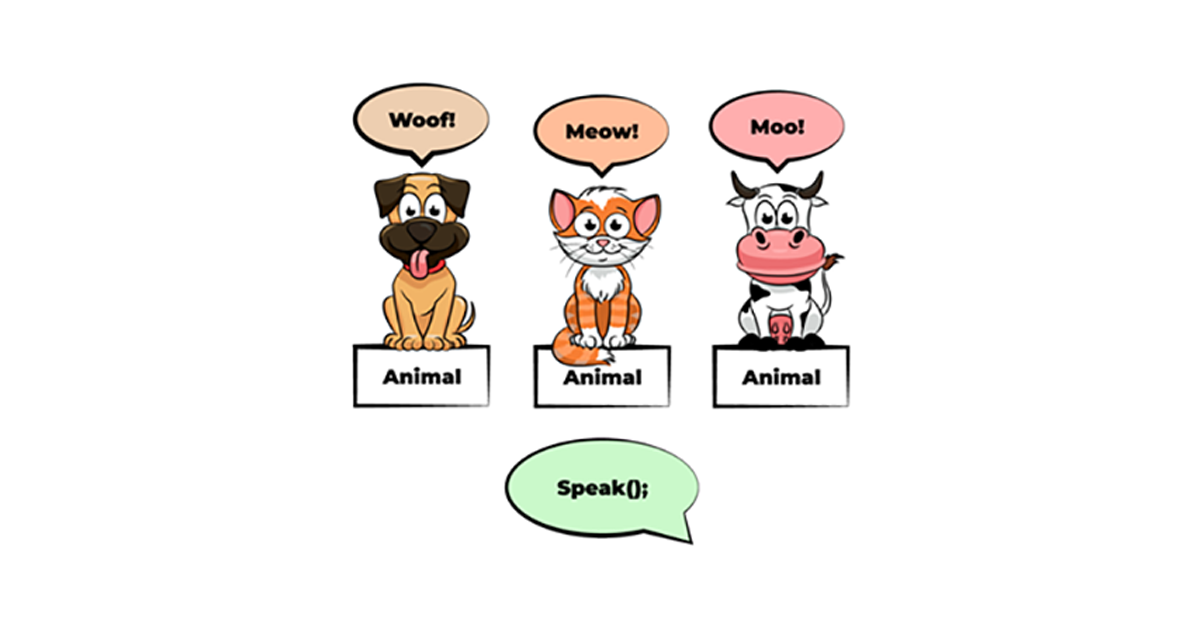
🧠 Polymorphism is one of the core principles of object-oriented programming — and C# gives you powerful tools to work with it. But there's a subtle trap many developers fall into when dealing with method hiding vs method overriding.
🧠 When working with loops, we often use continue and break to control the flow of execution — but do you truly understand how they behave together? Here's a small but tricky C# challenge that demonstrates their impact clearly.
LINQ is a powerful feature in C#, but it comes with nuances that can trip up even experienced developers — especially around deferred execution. Let’s dive into a real-world example that clearly shows the difference between deferred and immediate evaluation in LINQ.
Conditional logic in C# is easy to write — but easy to get wrong when expressions grow more complex. I recently came across a test that combines boolean expressions, operator precedence, and DateTime comparisons. It’s a great opportunity to sharpen your understanding of how C# evaluates logic at runtime.
In a recent C# test, I came across this thought-provoking code snippet that’s deceptively simple — until you look a little closer.